What does a product owner do? my practical take

Our reviewers evaluate writing services independently. Learn how we stay transparent, our methodology, and tell us about anything we missed.
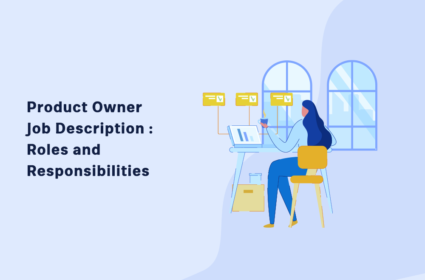
People still argue about product owner vs product manager like it's a personality test. My take is calmer: product owner is the Scrum/Agile accountability for maximizing product value—usually through backlog ownership and day-to-day clarification with the team. Product manager is a broader industry job family that may or may not map 1:1 to that accountability.
In some companies, one person is both. In others, PO is delivery-facing and PM leans discovery/strategy/GTM. Read the org, not the Twitter fight.
What a product owner does (the version I teach)
A strong PO keeps the team building the highest-value work next—and keeps that work clear enough to ship.
1. Defining product vision (practical, not posterware)
Who the product serves, what outcome matters, and what "good" means for the next few increments. Vision without backlog consequences is decoration.
2. Product backlog management
Write, refine, split, and order items. Kill zombies. Keep acceptance criteria testable. If the backlog is a junk drawer, that's a PO-system failure—even if stakeholders stuffed it.
3. Prioritizing product needs
Say no with receipts. Balance customer asks, tech health, sales pressure, and learning bets. Frameworks help (RICE, MoSCoW, opportunity scoring)—judgment matters more than the acronym.
4. Development-stage oversight (without micromanaging)
Be available for clarification. Join planning/review/retro when useful. Protect the team from thrash. Pair with Scrum Master / eng lead on process health; you own value maximization.
Individual requirements I like to see in PO JDs
- Domain curiosity and learning speed
- Excellent written communication
- Comfort facilitating tradeoff conversations
- Basic Agile fluency (tools, not religion)
- Analytical enough to define success metrics
- Backbone: can hold a priority against volume
What to look for in a PO role
| Healthy signal | Smell |
|---|---|
| Authority to order the backlog | Execs re-rank mid-sprint constantly |
| Time for refinement + some discovery | 100% meetings, zero customer contact |
| Clear partnership with PM/design/eng | PO as jot-and-ticket clerk |
| Outcome metrics discussed | Only velocity vanity |
| Sustainable interrupt policy | Every Slack ping is an instant priority |
Interview question I'd ask: Who can change priority after planning—and how often does that happen?
PO vs PM — my short framing
- PO: accountability pattern from Agile—value via backlog and team clarity
- PM: role family—may include discovery, GTM, P&L narrative, multiple teams, positioning
Career-wise, many excellent PMs started as POs (or the reverse). Don't let naming stop you from building evidence of product judgment.
How I'd grow from PO → stronger product leader
- Add discovery reps beyond ticket clarification
- Own a metric outcome, not only delivery dates
- Write strategy memos, not only story text
- Practice stakeholder management at higher altitude
- Fill craft gaps with structured learning—Product Manager Certification
Ceremonies: what I'd optimize
- Refinement: highest-leverage PO time—protect it
- Planning: commitments based on capacity, not hope
- Review: demos tied to outcomes and feedback capture
- Retro: system improvements, not blame
If you're skipping refinement to "save time," you're borrowing time at a terrible interest rate.
My take
The best product owners I've worked with are decisive editors. They cut scope, clarify intent, and keep the team honest about value. The worst treat the backlog like a customer suggestion box with sprint dates taped on. For the hire bar I use in practice, see product owner skills. When titles blur with delivery roles, I’d also clarify product owner vs project manager.
Keep sharpening with the newsletter.