

|
Josh FechterJosh Fechter is the co-founder of Product HQ, founder of Technical Writer HQ, and founder and head of product of Squibler. You can connect with him on LinkedIn here. |
Product lead vs product manager: What’s different in practice
“Product lead” is a mushy title until you define scope and coaching. Here’s how I’d contrast it with a product manager IC seat—and how I’d decide which path fits. Differences I’d expect day to day Dimension Product manager Product lead Scope One product area or journey Area plus coaching / coordination across PMs People Influence peers; maybe mentor Explicitly raises other PMs’ quality Prioritization Owns backlog inside a charter Resolves...
Read moreHow to write a senior product manager resume: What I’d put first
A senior PM resume isn't a longer junior resume. I'd show scope, judgment, and outcomes—not every ticket I touched. What I'd lead with A crisp summary: domain + stage + the kinds of problems I own Bullets that start with results, then the lever I pulled Cross-functional leadership without hiding behind "collaborated" Product sense signals: discovery, tradeoffs, kills—not only launches If a bullet could sit on an IC engineer's resume...
Read moreProduct analytics vs behavioral analytics: How I’d separate them
The distinction I use None of this works if events are vague. A deliberate product analytics instrumentation plan gives each behavior a definition, owner, and quality check. For experiments, I also precommit to how I will interpret evidence, including statistical significance for product managers, rather than changing the rule after seeing the result. I think of product analytics as measuring how people use a product: events, funnels, paths, cohorts, retention,...
Read moreHow I’d set up a Jira agile board for useful flow
Start with the workflow I would not begin by copying someone else’s Jira board. I would map how work actually moves from an idea or request to a usable outcome. The board should make that flow easier to see, not turn every activity into another status. Before configuring anything, I would agree on the board’s users, purpose, work item types, ownership, and definition of done. A Scrum team may need...
Read moreProduct engagement score: How I would measure meaningful use
Define engagement before measuring it I would not start by searching for one engagement number. I would first define what meaningful use looks like for this product and for the customer problem it is meant to solve. A user can click frequently without reaching value, while another user may need the product only occasionally and still depend on it. I would write down the behavior that represents progress, the audience...
Read moreHow to write a product owner cover letter: What I’d make clear
Start with the product owner problem I do not treat a cover letter as a second resume. I use it to answer why I understand the decisions this product owner role requires. I pull three signals from the job description: the product or domain, the delivery environment, and the relationships the role must manage. The structure I would use I open with the role and the problem I can help...
Read moreTechnical product manager job description: What I’d look for
Define the product context I read a technical product manager job description looking for the shape of the work, not a pile of technologies. It should explain whether the PM owns an API, platform capability, developer experience, internal system, or customer-facing technical workflow. Responsibilities I would include I would describe understanding user workflows, setting direction, making trade-offs visible, translating problems into testable requirements, partnering with engineering and design, coordinating dependencies,...
Read moreB2B product manager salary: How I would evaluate the market
Treat the number as a starting point I would not present one average B2B product manager salary as a universal fact. The title can cover different responsibilities, levels, industries, and company types, so a headline estimate is useful only when I know what population and date it represents. I would check the source, the location, and whether the figure describes base pay or total compensation before using it in a...
Read moreProduct owner salary: How I’d compare the market
I don’t treat one headline product owner salary number as a universal fact. The title covers different scopes—team PO, business-analyst-adjacent PO, or PM-equivalent owners—so an average is only useful when I know location, company stage, and whether it means base or total compensation. Here’s how I’d evaluate the package without pretending a single survey is truth. What I’d put in the compensation stack Component Questions I’d ask Base salary Where...
Read moreTechnical program manager salary: How I would evaluate the range
Treat the number as a starting point I would not present one average technical program manager salary as a universal fact. The title can cover different responsibilities, levels, industries, and company types, so a headline estimate is useful only when I know what population and date it represents. I would check the source, the location, and whether the figure describes base pay or total compensation before using it in a...
Read moreProduct director salary: How I’d evaluate the package
I don’t treat one headline product director salary number as a universal fact. The title covers different scopes—portfolio size, people responsibility, industry, and company stage—so an average is only useful when I know the population, location, and whether it means base or total compensation. Here’s how I’d evaluate a package without inventing fake market stats. What I’d put in the total-comp stack Component Questions I’d ask Base salary Where does...
Read moreAI product manager salary: How I’d think about comp
People want a single number for AI product manager salary. I won't pretend there's a clean average that stays true across levels, cities, and companies. Comp for AI PMs usually tracks product manager leveling—with premiums sometimes showing up when the role needs scarce ML literacy or sits in a hot business line. Sometimes there's no premium at all and "AI" is just in the title. How I'd evaluate AI PM...
Read moreScrum manager salary: How I would compare the market
Treat the number as a starting point I would not present one average Scrum manager salary as a universal fact. The title can cover different responsibilities, levels, industries, and company types, so a headline estimate is useful only when I know what population and date it represents. I would check the source, the location, and whether the figure describes base pay or total compensation before using it in a decision....
Read moreEcommerce product manager salary: How I’d assess the market
Searches for “ecommerce product manager salary” usually want a crisp average. I’d rather show you how to read ecommerce PM pay like an operator—because channel mix, company stage, and whether you own growth vs merchandising vs platform can swing the number more than the title alone. Here’s how I’d assess an ecommerce product manager salary and total package in 2026. Treat the number as a starting point I would not...
Read moreProduct lead salary: How I’d evaluate the range
“Product lead salary” searches usually mix three different jobs: a senior IC with a lead title, a people manager of PMs, and a principal-ish owner without the principal label. I’d refuse to treat those as one number. Here’s how I’d evaluate a product lead salary / lead product manager package in practice. Treat the number as a starting point I would not present one average product lead salary as universal...
Read moreData science product manager salary: How I would compare offers
Treat the number as a starting point I would not present one average data science product manager salary as a universal fact. The title can cover different responsibilities, levels, industries, and company types, so a headline estimate is useful only when I know what population and date it represents. I would check the source, the location, and whether the figure describes base pay or total compensation before using it in...
Read moreGroup product manager salary: How I would assess the package

Treat the number as a starting point I would not present one average group product manager salary as a universal fact. The title can cover different responsibilities, levels, industries, and company types, so a headline estimate is useful only when I know what population and date it represents. I would check the source, the location, and whether the figure describes base pay or total compensation before using it in a...
Read moreDirector of product salary: How I’d evaluate the market
People search “director of product salary” wanting a single number. I’d give them a better tool: a way to read compensation data without false precision. Titles, scopes, and packages vary too much for one average to be decision-ready. Here’s how I’d evaluate director of product salary and total compensation in 2026—whether I’m negotiating, hiring, or deciding if a move is actually a step up. Treat the number as a starting...
Read moreSaaS product manager salary: How I would compare the market
Treat the number as a starting point I would not present one average SaaS product manager salary as a universal fact. The title can cover different responsibilities, levels, industries, and company types, so a headline estimate is useful only when I know what population and date it represents. I would check the source, the location, and whether the figure describes base pay or total compensation before using it in a...
Read moreMicrosoft principal product manager salary: How I’d evaluate the package
Searches for “Microsoft principal product manager salary” usually want a single number. I’d rather show you how to read a Microsoft principal PM package like an operator—because level, location, stock, and scope move the deal more than any average headline. Here’s how I’d evaluate a Microsoft principal product manager salary and total compensation package in 2026. Treat the number as a starting point I would not treat one average Microsoft...
Read moreSenior product manager salary: How I would assess the range
Treat the number as a starting point I would not present one average senior product manager salary as a universal fact. The title can cover different responsibilities, levels, industries, and company types, so a headline estimate is useful only when I know what population and date it represents. I would check the source, the location, and whether the figure describes base pay or total compensation before using it in a...
Read moreGoogle product manager salary: How I’d evaluate the package
Searches for “Google product manager salary” usually want a crisp number. I’d rather show you how to read Google PM compensation like an operator—because level, location, stock refreshers, and team scope can move the package more than the average headline. Here’s how I’d evaluate a Google product manager salary and total compensation package in 2026. Treat the number as a starting point I would not treat one average Google PM...
Read moreAssociate product manager salary: How I would compare the market

Treat the number as a starting point I would not present one average associate product manager salary as a universal fact. The title can cover different responsibilities, levels, industries, and company types, so a headline estimate is useful only when I know what population and date it represents. I would check the source, the location, and whether the figure describes base pay or total compensation before using it in a...
Read moreProduct marketing manager salary: How I would assess the market
Treat the number as a starting point I would not present one average product marketing manager salary as a universal fact. The title can cover different responsibilities, levels, industries, and company types, so a headline estimate is useful only when I know what population and date it represents. I would check the source, the location, and whether the figure describes base pay or total compensation before using it in a...
Read moreTechnical product manager salary: How I would evaluate the range
Treat the number as a starting point I would not present one average technical product manager salary as a universal fact. The title can cover different responsibilities, levels, industries, and company types, so a headline estimate is useful only when I know what population and date it represents. I would check the source, the location, and whether the figure describes base pay or total compensation before using it in a...
Read moreFacebook product manager salary: How I would evaluate the package
Treat the number as a starting point I would not present one average Facebook product manager salary as a universal fact. The title can cover different responsibilities, levels, industries, and company types, so a headline estimate is useful only when I know what population and date it represents. I would check the source, the location, and whether the figure describes base pay or total compensation before using it in a...
Read moreData product manager salary: How I would compare the market
Treat the number as a starting point I would not present one average data product manager salary as a universal fact. The title can cover different responsibilities, levels, industries, and company types, so a headline estimate is useful only when I know what population and date it represents. I would check the source, the location, and whether the figure describes base pay or total compensation before using it in a...
Read moreStartup product manager salary: How I would assess the trade-offs
Treat the number as a starting point I would not present one average startup product manager salary as a universal fact. The title can cover different responsibilities, levels, industries, and company types, so a headline estimate is useful only when I know what population and date it represents. I would check the source, the location, and whether the figure describes base pay or total compensation before using it in a...
Read moreSenior technical product manager salary: How I’d evaluate the market
Searches for “average senior technical product manager salary” usually want one confident number. I’d rather show you how to read the market—because title inflation, location, equity, and how technical the “T” really is move the deal more than any blog average. Here’s how I’d evaluate a senior technical product manager salary and total compensation package. Treat the number as a starting point I would not present one average senior TPM...
Read morePlatform product manager salary: How I would compare the range
Treat the number as a starting point I would not present one average platform product manager salary as a universal fact. The title can cover different responsibilities, levels, industries, and company types, so a headline estimate is useful only when I know what population and date it represents. I would check the source, the location, and whether the figure describes base pay or total compensation before using it in a...
Read moreProduct marketing interview questions: How I’d prepare
Product marketing interviews test whether you can turn a product into a story the market believes—and whether you can run launch motion with Product, Sales, and Demand Gen without becoming a slide factory. I’d prep for positioning judgment, launch discipline, and metrics that tie to pipeline—not vanity clicks. Here’s the loop I’d expect and how I’d practice answers. Themes I’d expect in a PMM loop Theme What they’re probing How...
Read morePrincipal product manager interview questions: How I’d prepare
Principal loops test whether you raise the organization’s product quality—not whether you can recite a PRD template. I’d prepare for strategy altitude, ambiguous problem framing, and evidence that you’ve multiplied other PMs. Here’s how I’d approach the questions that usually separate a strong senior IC from a principal product manager. What “principal” usually means in an interview Signal Senior PM Principal PM Scope Owns a meaningful area Shapes a domain...
Read moreGroup product manager interview questions: How I’d prepare
Group product manager interviews sit between strong senior IC loops and director loops. They want proof you can create coherence across products and raise other PMs—not that you can rewrite every PRD yourself. Here’s how I’d prepare for group product manager interview questions. I’d treat the loop as a test of leverage: strategy altitude, coaching judgment, and conflict resolution under portfolio pressure. Themes I’d expect Theme What they’re probing How...
Read moreFacebook/Meta product manager interview questions: How I’d prep
Meta PM interviews reward people who can reason about networks, incentives, and metrics—not just pretty UI ideas. I’d prep for product sense, analytical depth, and cross-functional judgment under ambiguity. Here’s the loop I’d expect, how I’d bank stories, and the mistakes I’d avoid before walking into a Facebook/Meta product manager interview. Themes I’d expect in a Meta PM loop Theme What they’re probing How I’d show it Product sense Can...
Read moreGoogle product manager interview questions: How I’d prep

Google PM loops are famous for a reason: they stress structured thinking under ambiguity. I don’t prep “secret Google answers.” I prep frameworks I can narrate under pressure, plus crisp stories. Here’s how I’d prepare for Google product manager interview questions without turning into a robot. Loops I’d expect (verify with your recruiter) Formats change. I’d confirm the current process from the recruiter—not a 2019 blog post. Historically, loops cluster...
Read moreAmazon product manager interview questions: How I’d prepare
Amazon PM interviews are as much about Leadership Principles as product puzzles. I’d prep both—and I’d write my stories down before I try to freestyle them. Loop names and bar-raiser details change. I’d trust the recruiter packet over random forums. What follows is how I’d prepare the craft, not a leaked question bank. Themes I’d expect Theme What they’re probing How I’d answer Customer obsession Do you start from a...
Read moreTechnical PM interview questions I’d actually ask
When I help candidates prep for a technical product manager interview, I’m testing whether you can earn eng trust without becoming an engineer yourself. Can you discuss architecture at a PM altitude, prioritize with technical constraints, write crisp specs, and tell collaboration stories that aren’t fluff? I’ve watched people memorize jargon and still fail the loop—and others with no CS degree crush it because they think in tradeoffs. This guide...
Read moreDirector of product interview questions: How I’d prepare
Director interviews test whether you can lead a portfolio and other PMs—not whether you can whiteboard a single feature. I’d prepare for strategy altitude, org design judgment, and executive communication under bad news. Here’s how I’d approach director of product interview questions that usually separate senior IC from director. Question themes I expect Theme What they’re probing How I’d evidence it Strategy Choosing bets across a portfolio Focus thesis, kill...
Read moreData science product management interview questions: How I’d prep
Data science / data PM interviews mix product sense with analytical diagnosis. I don’t prep memorized SQL flexes—I prep frameworks I can narrate under pressure, plus a few stories where data quality (or a wrong metric) changed the decision. Here’s how I’d prep for data science product management interview questions in 2026. What interviewers are actually testing Most loops aren’t asking “can you write a join.” They’re asking whether you...
Read moreScrum manager interview questions: How I’d prepare
Scrum Manager / Scrum Master interviews reward coaching stories and conflict judgment—not Agile vocabulary bingo. I’d prepare for servant-leadership evidence, impediment removal with specifics, and metrics used as learning—not weapons. Here’s how I’d approach the questions that usually separate coaches from ceremony administrators. Themes they usually probe Theme What good sounds like What weak sounds like Servant leadership Outcomes for the team; you absorb friction “I run the ceremonies” Impediments...
Read moreProduct owner interview questions I’d actually prep

PO interviews test whether you can protect focus while still being useful to stakeholders. Ceremony trivia is the easy part. Judgment under pressure is the job. Here's how I'd prep—by segment, with the intent behind each question. Segment 1: the role Expect: What does a Product Owner do? How is PO different from PM or Scrum Master? How do you say no? I'd answer with decision rights: I own backlog...
Read moreProduct manager portfolio examples: How I’d build one that works

A PM portfolio isn't a design gallery. It's proof you can think. Here's how I'd build product manager portfolio case studies that actually help in hiring. What a strong PM portfolio is for Showing judgment under constraints Making your process visible (discovery → decision → outcome) Giving interviewers a concrete artifact to dig into Replacing "trust me" with "here's how I work" The case study structure I'd use Context —...
Read morePrincipal product manager skills: What I’d hire for

Principal PM skills aren’t “senior skills, louder.” I’d hire for leverage: judgment that improves many teams’ outcomes. Here’s the bar I’d use—and how I’d practice toward it. Skills I’d screen for Strategy under ambiguity — frame the problem, options, and bets without waiting for perfect data Systems thinking — see second-order effects across products and orgs Influence without authority — move eng, design, GTM, and peer PMs with clarity Executive...
Read moreEssential Scrum manager skills: What I’d look for
Whether your org says Scrum Master or Scrum manager, I hire for people who improve team outcomes—not people who worship ceremonies. Here's what I'd look for. Skills that matter Facilitation — meetings that produce decisions and clarity Coaching — help the team inspect and adapt without becoming the boss of the backlog Flow awareness — WIP, blockers, and cycle time over vanity velocity Conflict navigation — surface disagreement early and...
Read moreData science product manager career path: How I’d navigate it
The data science PM path is usually a bridge: deep data context meeting product ownership. I'd navigate it deliberately—not by collecting titles. Common routes Starting point Move when… Add Data scientist / analyst You're already shaping roadmap & stakeholders Discovery, prioritization, shipping ownership Traditional PM Your products are metrics/ML/data-platform heavy Data quality, experiment rigor, DS partnership Eng / DE You enjoy user problems more than tickets Product sense + narrative...
Read moreEssential SaaS product manager skills: What I’d hire for

SaaS PMs live where product usage meets recurring revenue. The skill bar isn't "knows Jira." It's whether you can improve retention and expansion without turning the roadmap into a custom-services graveyard. Skills I'd prioritize 1. Strategic thinking Segment, positioning, where you'll win vs. where you'll politely lose. Tie roadmap themes to a business model—not a brainstorm wall. 2. Empathy (with economic buyers and users) In B2B SaaS especially, user ≠...
Read moreEssential B2B product manager skills: What I’d hire for
B2B PM skills lists often read like generic LinkedIn keywords. Here's what I'd actually hire for when staffing a B2B product manager. Skills that matter in B2B 1) Multi-persona discovery You can learn from end users and economic buyers and IT without collapsing them into one "customer." 2) Workflow empathy You map how work gets done today—including spreadsheets, shadow IT, and politics—and design for adoption, not demos. 3) Sales &...
Read moreTechnical product manager career path: How I’d grow
Technical PM careers compound when you pair product judgment with real systems fluency. Here's how I'd grow the path. A practical ladder Stage What I'd prove TPM / PM on technical surface Ship with eng; own APIs, infra-adjacent, or complex workflows Senior TPM Lead ambiguous technical bets; mentor peers Principal / Staff-style IC Cross-org technical product strategy Group / Director (optional) People leadership + portfolio Not every company uses the...
Read moreProduct owner career path: How I’d think about the options

"Product Owner" can be a real product seat—or a backlog clerk title. Your career path depends on which one you actually are. Here's how I'd think about a product owner career path. Clarify what you own today Ask: Do I set priorities based on outcomes, or do I only groom tickets? Do I talk to customers, or only to the sprint team? Do I influence strategy, or only acceptance criteria?...
Read moreProduct lead skills: What I’d prioritize
Product lead skills sit on top of strong PM craft. When I hire or coach a lead, I’m looking for multipliers: coaching, strategy clarity, and making other PMs faster—not a louder individual contributor. Titles vary (“product lead,” “lead PM,” “area lead”). The skill bar should still look like leverage. Skills I’d hire for Skill What good looks like What weak looks like Strategic framing Company goals → coherent area strategy...
Read moreSenior product manager interviews: How I would show judgment
Prepare to show judgment I would prepare for a senior product manager interview by studying the decisions behind my work, not by memorizing polished stories. I would be ready to explain the customer problem, the business context, the options I considered, the trade-offs I made, and what changed after the decision. For each example, I would separate my direct contribution from the team’s work. Seniority is not claiming sole credit;...
Read moreTechnical program manager skills: What I’d hire for
A strong technical program manager makes complex delivery feel inevitable. Here's the skill set I'd hire for—and coach against. Skills that separate great TPMs Systems thinking — map teams, interfaces, and critical path without drowning in tools Technical fluency — challenge estimates, spot hidden coupling, respect operational load Risk management — turn unknowns into dated owners and mitigations Influence without authority — align senior eng leads who don't report to...
Read moreEssential data science product manager skills: What I’d hire for
Hiring a data science product manager? I don't optimize for "can recite every algorithm." I optimize for judgment under messy data. Here's what I'd hire for. Skills that actually matter Problem framing — turn vague AI requests into falsifiable product bets Data literacy — SQL-level comfort, metric definitions, data quality skepticism ML product sense — when models help vs when rules/heuristics win Experimentation — design, readouts, and "we learned nothing...
Read moreStartup product manager skills: What I’d prioritize

Startup PM skills aren't enterprise PM skills with a hoodie. The environment selects for different strengths. Here's what I'd prioritize. The skill stack I'd hire for Bias to learning — experiments that can actually kill a bad idea Ruthless scoping — MVPs that still deliver a real user outcome Customer intimacy — you do the calls; you don't outsource all insight Comfort with incomplete data — decide anyway, instrument the...
Read moreEssential data product manager skills: What I’d prioritize
Data PM isn't "PM who likes dashboards." You're often shipping products made of data—pipelines, platforms, features powered by models, or internal data experiences. Here's what I'd prioritize for data product manager skills. Core skills 1) Problem framing before pipeline framing Start from decisions users need to make, not tables someone wants. 2) Data literacy Enough SQL/modeling intuition to discuss grain, freshness, joins, and quality without pretending to be the analytics...
Read moreGroup product manager skills: What I’d hire for
When I hire a group product manager, I’m not looking for a louder IC with a bigger title. I want group product manager skills that scale through other PMs—judgment, coaching, portfolio clarity, and the ability to keep executives honest about risk. Here’s the skill set I’d hire and coach for. What “group” actually changes A strong senior PM can own a surface deeply. A GPM usually owns a cluster of...
Read moreProduct owner skills: What I’d look for
A strong product owner makes the backlog a decision tool—not a junk drawer. Here’s what I’d look for when hiring, leveling, or coaching a PO. Core skills I’d hire for Skill What good looks like Evidence I’d ask for Outcome ownership Connects stories to user/business outcomes Before/after metric stories; kill criteria Backlog judgment Thin vertical slices; clear ready definition Sample backlog + refinement notes Stakeholder clarity Turns noise into ranked...
Read moreEssential AI product manager skills: What I’d prioritize

AI product manager skills aren't a brand-new species. They're core PM skills with sharper requirements around data, uncertainty, and technical partnership. Here's the set I'd prioritize—and how I'd practice each. Top 10 AI product manager skills 1. Technical skills (ML literacy) Understand problem types (predict, rank, generate, classify), data needs, eval metrics, deployment constraints, and failure modes well enough to challenge fantasy roadmaps. Practice: write an eval plan for a...
Read moreFinance product manager skills: What I’d prioritize
Finance/fintech product management punishes sloppy product sense. Money, trust, and compliance aren't "edge cases." Here's what I'd prioritize. Core skills I'd hire for Domain fluency — payments, lending, banking, investing, or insurance enough to smell nonsense Risk imagination — fraud, loss, operational breaks, and second-order user harm Regulatory empathy — you don't need to be counsel; you do need to partner early Trust-centric UX — clarity beats cleverness when money...
Read moreProduct manager internship: How I’d treat it like a tryout

A PM internship isn't coffee-fetching if you treat it like a compressed tryout. I'd optimize for proof of judgment, not meeting count. What I'd try to own One real problem with users, constraints, and a measurable outcome Written artifacts: PRD-lite, decision log, teardown—not only slides Cross-functional reps: eng, design, and at least one go-to-market partner A crisp end-of-internship story: problem → options → call → result Mistakes I'd skip Collecting...
Read moreEcommerce product manager skills: What I’d hire for
Ecommerce PM work lives at the intersection of UX, merchandising, growth, and operational reality (inventory doesn't care about your roadmap). Here's what I'd hire for. Skills that matter in ecommerce Funnel literacy — acquisition → browse → PDP → cart → checkout → repeat Experimentation — hypotheses tied to revenue/AOV/conversion, not vanity clicks Merchandising empathy — categories, search/browse, promos, and content ops Ops awareness — fulfillment, returns, stockouts, and how...
Read moreEssential product manager skills: What I’d actually hire for

Everyone publishes a list of product manager skills. Most read like a linkedin bingo card. Here's the set I actually weigh when I'm helping someone level up—or when I'm evaluating whether a candidate can do the job. Great PMs are generalists with sharp edges: enough breadth to connect teams, enough depth to make hard calls. Essential product manager skills 1. Outstanding communication Writing, facilitation, storytelling, listening. If you can't make...
Read moreWhat does a software product manager do? my practical take
"Software product manager" sounds redundant until you've watched someone treat shipping code like the whole job. Here's how I explain what a software product manager actually owns. The job in one line A software PM is accountable for whether the product succeeds with users and the business—not just whether tickets close on time. What you're accountable for Problem framing — which user pains are worth solving now Strategy & roadmap...
Read moreHow to become a startup product manager: The path I’d take
Startup PM isn't corporate PM with a hoodie. You're often the first product person, so you invent process, ship with half a team, and still own outcomes. For the role overview first, see what a startup product manager actually owns day to day—then use this path to get there. What the job actually is Turn fuzzy founder vision into a sequenced roadmap Talk to customers weekly—not once a quarter Cut...
Read moreHow to become a data science product manager: My steps

A data science product manager sits between ML/analytics teams and the business outcomes those models are supposed to move. Here's how I'd approach becoming one. The job in plain English You turn ambiguous "we should use AI/data" requests into scoped problems, success metrics, and shippable learning loops—without pretending every idea needs a neural net. Steps I'd follow Get literate in data work — SQL comfort, experiment basics, what models can/can't...
Read moreHow to become a principal product manager: My practical path
Principal PM is usually the top of the IC track—not "almost director." You lead through influence, architecture of bets, and judgment across messy surfaces. Here's how I'd climb it. Principal vs senior vs group Role What I'd expect Senior PM Owns a meaningful product area end-to-end Principal PM Sets direction across complex/ambiguous domains; raises the bar for other PMs Group / Director People + portfolio leadership If your company conflates...
Read moreHow to become a technical program manager: Steps I’d follow
A technical program manager keeps complex, multi-team technical work moving without owning the product roadmap the way a PM does. Here's the path I'd follow. TPM vs product manager (quick cut) PM — what to build and why; outcome ownership with users/business TPM — how interdependent technical work lands on time with managed risk Overlap exists; confusion starts when one role pretends to be the other Steps that actually work...
Read moreHow to become a technical product manager without experience: My steps
You don't need a CS degree tattooed on your forehead to become a technical product manager. You do need proof you can partner with engineers on hard problems. Here's the path I'd take without prior TPM experience. First: define the role you're aiming at Technical PM usually means: Comfort discussing systems, APIs, data, performance, or infrastructure tradeoffs Credibility in roadmap conversations that include tech debt and reliability Users who may...
Read moreHow to become a product lead: The steps I’d follow

"Product lead" means different things at different companies—sometimes people manager, sometimes principal IC, sometimes squad lead. I'd start by decoding their definition, then building proof against it. What I'd clarify first Do you manage PMs, or only influence them? Is it a level (above senior) or a job family? Do you own strategy for a multi-squad area? Are you measured on team health or only product metrics? Without those answers,...
Read moreHow to become an AI product manager without experience: My steps
Want to become an AI product manager without a perfect background? Same chicken-and-egg as core PM—plus extra noise from hype cycles. Here's the path I'd take. Order matters: product craft first, AI literacy second, proof third. Jumping straight to "prompt engineer PM" cosplay is how you get filtered out. Steps I'd take to become an AI product manager Step 1: Get solid on technical PM foundations AI products still ship...
Read moreHow to become an API product manager: The playbook I’d use
API product management is product work where your "UI" is contracts, docs, SLAs, and developer trust. Here's the playbook I'd use to break in. What API PMs actually own API surface design and versioning strategy Developer experience: docs, sandboxes, examples, support loops Adoption and retention of integrating teams (internal or external) Partnership with platform eng on reliability, latency, and breaking-change policy If you only think in consumer screens, this role...
Read moreHow to become a machine learning product manager: My practical steps
ML product manager roles reward people who can ship learning systems responsibly—not people who recite architecture buzzwords. Here's my practical path. What ML PMs are accountable for Choosing problems where ML beats simpler approaches enough to justify cost Defining success beyond model metrics (user/business outcomes) Partnering with ML eng/research on data, evaluation, and launch risk Post-launch monitoring: drift, failure modes, feedback loops Steps I'd take Build or own a product...
Read moreHow to become a group product manager: My practical path

A group product manager (GPM) is usually the bridge between strong IC product work and director-level portfolio ownership. Here's how I'd approach the jump. GPM in one line You lead a cluster of related products or squads—setting shared strategy, coaching PMs, and resolving priority conflicts so the group compounds. How GPM differs from senior PM Senior PM — depth and complexity on a major product GPM — coherence across multiple...
Read moreHow to become a data product manager: My practical steps
Data PM sits between data teams and product outcomes: dashboards, data platforms, ML features, experimentation systems. You're not "the analyst who also goes to standups." Here's how I'd enter. Two common entry paths From What I'd add Analytics / data science Product discovery, prioritization, stakeholder narrative, shipping discipline Traditional PM Metrics literacy, data quality instincts, partnering with DE/DS without hand-waving Either path works. Both need proof. Steps I'd take Pick...
Read moreHow to become a platform product manager: The playbook I’d use
Platform PM means your customers are often other teams. Success looks like leverage, reliability, and adoption—not a flashy consumer launch. Here's the playbook I'd use. What changes vs product-facing PM Roadmaps balance many internal stakeholders with conflicting asks "Users" may be engineers; UX is APIs, docs, SLAs, and self-serve Metrics skew toward adoption, latency, cost-to-serve, and time-to-integrate You sell enabling capabilities, not end-user features Steps I'd follow Build technical fluency...
Read moreHow to write a data science product manager resume: What I’d highlight
A data science PM resume should prove you can ship ML-informed products responsibly—problem framing, evaluation, and adoption—not that you tuned hyperparameters yourself. What I'd show Problem → metric → model/product loop you owned Offline vs online evaluation choices and why Guardrails: bias, drift, fail-open behavior Adoption: how users actually used the prediction/insight What I'd avoid Copy-pasting a data scientist CV Tool dumps (Spark, TensorFlow…) with no product decision Accuracy bragging...
Read moreProduct development vs product management: How I’d separate them
People use "product development" and "product management" interchangeably. I don't. One is a lifecycle of making; the other is a job of deciding what and why. How I'd define them Product development: the end-to-end work of turning ideas into shipped, supported product—design, eng, QA, release, iterate Product management: owning problem selection, outcomes, tradeoffs, and the narrative that aligns the org They're incomplete alone. PM without development is slideware; development without...
Read moreGroup product manager vs principal product manager: How I’d choose
In most orgs I’d describe it like this: a group product manager is a management-track seat; a principal product manager is a senior IC track. Both are senior. They optimize for different leverage. Here’s how I’d choose—and how I’d explain the difference to a hiring manager who uses the titles loosely. The distinction I use Group PM Principal PM Core job Lead PMs / a product group Own hard strategy...
Read moreHow to write a product marketing manager resume: What I’d emphasize
I'd write a PMM resume around positioning that changed buyer behavior and launches that sales could actually run—not a list of blog posts shipped. Proof I'd look for Messaging and ICP clarity that stuck Launch motion: enablement, competitive narrative, win themes Partnership with product on packaging and roadmap input Outcomes: attach rate, win rate, pipeline quality—not vanity traffic alone Sections I'd keep tight Section Focus Summary Category + motion (PLG,...
Read moreProduct Owner vs Product Manager: How I actually draw the line
People use "Product Owner" and "Product Manager" like synonyms. Sometimes the same human wears both hats. Still, when I teach the difference, I separate discovery/strategy from backlog ownership inside an Agile team—even if one person does both. How I explain Product Owner In Scrum terms, the Product Owner maximizes value from the product backlog: ordering work, clarifying intent, accepting outcomes, saying no so the team can finish. They're the team's...
Read moreHow to write a director of product cover letter: The story I’d tell
Lead with the leadership problem A director of product cover letter should not be a longer PM resume. I use it to show how I create clarity across a portfolio: which bets matter, how teams decide, and how customer learning reaches strategy. I identify the leadership problem in the job description before choosing examples. Four ideas I would connect First, I show portfolio judgment by explaining options, constraints, evidence, and...
Read moreWhat does a principal product manager do? My take
Principal PM is one of those titles that means “more leverage” more than “more meetings.” Here’s how I explain what a principal product manager actually does—and how I’d know you’re ready for it. The job in one line You own ambiguous, high-blast-radius product problems—and you raise the quality of product thinking around you without needing everyone to report to you. How principal differs from senior Scope — multi-team, platform, or...
Read moreWhat does an API product manager do? my practical take

APIs are products. If you treat them like "just plumbing for the app team," you'll ship a portal nobody trusts. Here's my practical take on what an API product manager does. The job in one line An API PM owns the value and usability of interfaces other software (and developers) depend on—so those interfaces are discoverable, reliable, well-documented, and aligned to a business model. What you're accountable for Vision for...
Read moreHow I’d create a Kanban project in Jira for useful flow
Start with the real workflow I would create a Kanban project in Jira by mapping how work actually moves, not by copying a default board. I would identify the meaningful states from idea or intake through discovery, delivery, review, release, and any follow-up that matters. The board should help the team see work and make decisions. It should not become a decorative list of statuses. Configure policies before cosmetics I...
Read moreProduct Owner vs Project Manager: How I draw the line
People conflate Product Owner and Project Manager because both schedule work and talk to stakeholders. The jobs optimize for different outcomes. Here’s how I draw the line on product owner vs project manager—and how I’d hire, staff, and interview for each. If titles are mushy at your company, fix decision rights before you fix the org chart labels. Side-by-side Product Owner Project Manager Primary question What should we build next...
Read moreScrum manager job description: What the role really owns
Define the role first I use “scrum manager” carefully because organizations use the title differently. It may describe a Scrum Master serving one team or a delivery leader coordinating several teams. The description should remove that ambiguity before listing qualifications. The role is not to police a framework. It is to help a team inspect progress, surface impediments, and improve how work moves from idea to usable increment. Responsibilities I...
Read moreGeneral Assembly product management: My worth-it checklist
General Assembly has helped a lot of people pivot careers. That history doesn’t automatically make every General Assembly product management course the right move in your market today. Here’s the checklist I’d run in 2026 before I paid tuition or rearranged my life around a cohort. What GA-style PM courses usually sell Employment-oriented curriculum Instructor-led cohorts (online and/or in-person, depending on offering) Portfolio-ish projects Career support of some kind (quality...
Read moreBerkeley product management: How I’d decide if it’s worth it

UC Berkeley’s brand carries weight. That still doesn’t answer whether a Berkeley product management program is the right spend of time and money for you. Here’s how I’d evaluate it—without treating the logo as an automatic yes. What you’re usually choosing between Berkeley-style offerings typically split into something like: A certificate program — broader PM foundations, lectures + exercises, credential signal A more studio / applied format — project-heavy, discussion-driven,...
Read moreStanford product management: Is it worth it? my honest review lens

Stanford on a syllabus looks impressive. Whether a Stanford product management program is worth it depends on your goal, budget, and what you'd do with the credential—not the logo alone. Here's the review lens I'd use. What these programs tend to optimize for University PM programs (Stanford included) usually emphasize frameworks, strategy, and academic rigor. They often attract: Engineers / technical folks adding product skills Graduate students exploring PM Employed...
Read moreTechnical program manager job description: What I’d make explicit
Define the program A technical program manager job description should tell a candidate what change the program is meant to create. “Coordinate cross-functional initiatives” is too broad. I name the systems, teams, customers, and constraints involved and explain why the work matters. Responsibilities I would make visible I expect a TPM to turn ambiguity into a working plan, manage dependencies and risks, create decision clarity, and communicate at several levels....
Read moreAgile transformation: How I’d make the change practical
Start with the problem I would not begin an agile transformation by announcing a framework. I would ask what is not working for customers and teams: slow decisions, risky releases, hidden dependencies, or constantly changing priorities. The transformation needs a problem grounded in reality. The approach I would take I map work from customer signal to shipped product and look for queues, handoffs, rework, unclear decisions, and approval delays. Then...
Read moreProduct management software: How I’d evaluate it
"Product management software" usually means tools for roadmapping, prioritization, delivery visibility, and stakeholder communication. Some teams use one platform; many stitch two or three. The win is shared truth—not logo collecting. What I want the software to do Express strategy and themes, not only tickets Support prioritization conversations with visible tradeoffs Connect (or at least not fight) engineering delivery systems Offer views for execs vs builders without duplicate data entry...
Read moreProduct roadmap software: How I’d evaluate it

A roadmap tool won’t save a fuzzy strategy. It can save you from twelve conflicting slide decks. Here’s how I’d evaluate product roadmap software as a PM who still wants the roadmap to be true. What roadmap software is for Give the org a living view of themes, bets, and sequencing—connected enough to delivery that it isn’t fiction. Useful capabilities usually include: Timeline / now-next-later / theme views Audience-specific views...
Read moreHow I’d work with issues in Jira without creating noise
Make an issue a useful unit of work I use a Jira issue to make a problem, outcome, owner, and next decision visible. Before creating one, I ask whether the work deserves its own conversation or can remain part of an existing item. More tickets do not automatically create more clarity. I would write a concise description, relevant context, acceptance examples, dependencies, and links to deeper material. I would avoid...
Read moreDirector of product job description: What strong scope looks like
Explain scope, not just seniority A director of product job description should answer what the person is accountable for and what they can decide. I start with the customer and business context, then describe the portfolio decisions the director must make. A title alone does not say whether the role leads one line, several teams, a platform, or a growing function. Responsibilities I would include I would cover setting direction...
Read moreWhat is product strategy? how I’d build one that teams can use
When a strategy needs to travel, I distill it into a one-pager for product managers that makes the problem, choices, and next decision easy to scan. I also keep a simple decision log for product managers so a strategy can evolve without losing the reasoning behind earlier trade-offs. Product strategy is the coherent answer to: which customers, which problems, how we'll win, and where we won't play—translated into goals and...
Read moreHow to become a director of product: The path I’d actually take
Director of Product isn't "Senior PM with a nicer title." The job expands from owning a product to owning a portfolio and the managers who ship it. Here's the path I'd take seriously. What changes at the director level You set direction across multiple product lines or squads You hire, coach, and calibrate PMs—not just write the PRD yourself You translate company strategy into sequenced bets and org design You...
Read moreHow to become an ecommerce product manager: Steps I’d take
Ecommerce PM lives in conversion, catalog, checkout, and post-purchase. You're optimizing a money machine under seasonality and ops constraints. Here's how I'd break in. What I'd learn first Funnel metrics: traffic → PDP → cart → checkout → repeat Merchandising and catalog quality Payments, fraud, and fulfillment realities Experimentation culture (A/B is table stakes) Mobile and performance as revenue features Path I'd take Get close to a live store —...
Read moreHow to become an agile developer: The path I’d recommend
Being an "Agile developer" isn't about liking stickies. I'd define it as shipping small, learning fast, and caring about the outcome. Skills I'd build Incremental design and refactoring comfort Automated tests that enable change Trunk-based or short-lived branch discipline (fit to team norms) Pairing / code review that teaches Product curiosity—ask what problem we're solving Basic observability so "done" includes operable Team habits that matter Habit Why Slice work vertically...
Read moreTechnical writing courses: How I’d choose one

Technical writing is a craft: clarity under constraint. If you're picking a course, I'd optimize for practice and portfolio, not a pretty sales page. How I'd choose Define the job — API docs? tutorials? internal design docs? UX writing adjacent? Look for outputs — will you finish samples you can show? Check instructor/practitioner signal — without worshipping brand names Prefer feedback — human review beats video-only libraries when you can...
Read moreHow to become a SaaS product manager without experience: My steps
SaaS PM is product management with a subscription heartbeat: if value isn't felt continuously, churn shows up on a dashboard. Here's how I'd become a SaaS product manager without prior SaaS PM experience. Orient on the SaaS loop Know these cold: Acquisition → activation → retention → revenue → referral (tweak the pirate metrics to your motion) Free trial / freemium / sales-led hybrids Seat-based, usage-based, and feature-gated packaging Expansion...
Read moreTechnical writing certifications: How I’d compare them
Clear writing is a product skill. If you're evaluating technical writing certifications, here's how I'd compare them without pretending a blog post's prices stay current. Who these certs help Career switchers into docs/UX writing Engineers/PMs who need sharper specs and developer-facing docs Specialists (medical, API, policy) who need domain credibility How I'd evaluate any program Outcome fit — job target vs "certificate collecting" Practice volume — do you ship real...
Read moreHow to become a B2B product manager: The playbook I’d use
B2B product management isn't consumer PM with longer sales cycles taped on. The buying committee is part of the product experience. Here's the playbook I'd use to become a B2B product manager. What makes B2B different Buyer ≠ user often — you design for both or you lose renewals Implementation & change management are product surfaces Sales and CS are critical discovery partners (and sometimes noisy ones) Roadmaps must survive...
Read moreProduct development strategy: How I’d build one
When strategy becomes a build plan, I use a concise product requirements document (PRD) guide for PMs to make the problem, constraints, and acceptance criteria explicit before work starts. A product development strategy isn't a feature backlog with better typography. It's a coherent bet: who we serve, what we build next, and why that sequence wins. Ingredients I'd require Clear ICP and job-to-be-done Differentiated value proposition Constraints: talent, tech, brand,...
Read moreProduct management books: How I would choose what to read

Choose a book for the problem I have I would not call one product management book the best for everyone. I choose reading based on the problem I am trying to solve: understanding customers, framing a strategy, improving discovery, working with engineers, or leading through uncertainty. A book is most useful when I can connect its ideas to a real decision rather than collect recommendations. Before starting, I would check...
Read moreHow to write a director of product resume: What I’d include
Director resumes fail when they still sound like senior PM feature work. I'd show strategy ownership, org design, and executive communication. Bar I'd set Multi-team roadmaps tied to company priorities People leadership: hiring bar, coaching, succession Operating cadence with execs (not just status decks) Hard calls: kill, pivot, invest—with consequences Structure that works Block Content Opening Domain + P&L/usage scope + team shape Roles Outcomes per company, not duties Leadership...
Read moreProduct management podcasts: How I would choose what to follow

Choose a podcast for a learning goal I would not follow a product management podcast simply because it has a long list of episodes. I would start with the question I want to explore: discovery, strategy, product leadership, design, analytics, delivery, or career development. Then I would look for hosts and guests who explain their assumptions and decisions rather than only presenting success stories. I would treat every episode as...
Read moreThe product lessons inside a cable bill: How I would protect customer value

Start with the customer job I see a cable bill as a reminder that a product is judged by the job customers hire it to do, not by the complexity of the provider’s internal system. A bundle can make sense when it gives people useful choice and convenience. It becomes a problem when customers feel they must pay for unwanted pieces to receive the one thing they value. I would...
Read moreData PM resume examples I’d actually use
A data product manager resume should show you can define valuable data/analytics problems, partner with analytics and engineering, and ship products people trust. When I review these, I’m scanning for metrics sense and product judgment—not a wall of SQL keywords. Here’s the structure, bullet frameworks, and generic examples I’d want you to adapt with your real experience. It complements our Data Product Manager cluster—this is a framework-first refresh of the...
Read moreAgile values: How I actually use them on product teams

I've watched Agile values get printed on lanyards and ignored in roadmap fights. I still find them useful—if you read them as tradeoffs, not commandments. The Agile Manifesto values one side over the other while still recognizing the right side matters. That "over" is doing a lot of work. What is the purpose of Agile values? They orient teams toward learning and customer value in uncertain work—especially software—without pretending process...
Read moreHow to write a technical product manager resume: What I’d show
A technical PM resume shouldn't read like a junior engineer pad. I'd show systems judgment—APIs, platforms, reliability, and the product calls that come with them. Signals I'd look for You can translate architecture constraints into roadmap choices You've partnered with eng on sequencing, debt, and risk—not just tickets Outcomes: latency, adoption of platform capabilities, fewer incidents, faster delivery Depth without jargon soup: enough tech to be credible, enough product to...
Read moreProduct management internships: How I’d evaluate the opportunity

I would start with the work, not the brand A product management internship should give me a chance to understand a user problem, support product decisions, and learn how a team works. A recognizable company can be useful, but the name alone does not tell me whether the internship will be a good learning environment. I ask what product area I would join, who would supervise me, what decisions the...
Read moreWhat does a senior product manager do? my take on the role
Senior product manager is one of the most overloaded titles in tech. At one company it means "PM with 5 years." At another it means "owns a multi-team bet and coaches other PMs." Here's how I explain the role when someone asks what "senior" should mean. A senior PM owns harder ambiguity with less supervision—usually across a larger surface area, messier stakeholders, and clearer business outcomes—while raising the quality of...
Read moreWhat an Amazon product manager does: How I’d prepare
I would study the decision environment When I prepare for an Amazon product manager role, I do not reduce the job to a company name or a list of interview tricks. I would learn the product area, its customers, the operating constraints, and how teams make decisions. The same title can involve very different work across a consumer product, a marketplace, or an internal platform. I would also verify current...
Read moreScrum Master vs Product Owner: How I actually draw the line
Scrum falls apart when the Scrum Master and Product Owner blur into one stressed human without clear decision rights. Here's how I draw the line. One-line difference Product Owner — maximizes product value; owns backlog priority and product decisions Scrum Master — maximizes team effectiveness; coaches Scrum, clears impediments, facilitates Value vs system. Both are necessary; neither replaces the other. Responsibilities compared Area Product Owner Scrum Master Backlog Priority, clarity,...
Read moreWhat a Google product manager does: How I’d think about the role
“Google product manager” is not one job. It’s a family of jobs that share a brand and diverge hard on users, technical depth, and decision rights. Here’s how I’d think about the role in 2026—whether you’re interviewing, leveling, or deciding if it’s even the right environment. I’d define the product area first A Google PM can sit in consumer products, advertising, cloud, infrastructure, developer platforms, or internal tools. I’d start...
Read moreProduct owner resume examples: What I’d actually copy
Most product owner resumes list ceremonies. I'd list outcomes the backlog produced. Patterns I'd copy "Refined backlog so sprint goals stuck" → with a before/after signal Stakeholder conflict you resolved without turning into a project manager Discovery you ran that killed or reshaped work Delivery metrics that aren't vanity velocity alone Example bullet shapes I'd use Cut cycle time for X workflow by clarifying acceptance criteria and slicing epics Replaced...
Read moreFacebook rotational product manager: How I’d think about the program
I'd treat a rotational PM program (Meta/Facebook-style) as a accelerated sampling of problem spaces—not a sightseeing tour. What I'd optimize for Breadth with one deep win you can narrate Learning the company's product sense and execution bars Mentors who will tell you the truth A conversion story: which team and why What I'd watch out for Rotating so fast you never own an outcome Collecting logos instead of judgment Ignoring...
Read moreProduct manager goals: How I’d turn them into useful outcomes

Start with the outcome I write product manager goals around the change we want to create, not the number of tickets we expect to close. “Ship five features” is an output. “Help new users reach a first useful result with less confusion” gives the team a problem to understand and a result to learn about. Four goal areas I use customer and product outcomes, business contribution, decision and discovery quality,...
Read moreWhat does a platform product manager do? my take
I've always thought platform product management is less famous than consumer PM—and often more leveraged. A platform PM owns systems that enable other products or developers, not only a single end-user workflow. In my experience, your customers might be internal teams (identity, design system, data platform, experimentation) or external developers (APIs, marketplaces, cloud primitives). Either way, success looks like adoption, reliability, and multiplying someone else's velocity. What platform PMs do...
Read moreProduct manager vs program manager: How I’d draw the line
People conflate PM and program manager because both herd complexity. I'd separate them by what success is—and hire accordingly. The distinction I'd use Product manager: what we build and why—problem, outcome, tradeoffs for users and the business Program manager: how a multi-threaded initiative lands—dependencies, timeline risk, cross-team orchestration Overlap exists. Confusion starts when one title does both without naming it, then blames "process." Side-by-side Lens Product manager Program manager North...
Read moreGoogle product marketing: How I’d understand the role without copying the brand
Understand the role beyond the company name I would not prepare for a Google product marketing manager role by focusing only on the brand. I would start with the product, the audience, the problem it solves, the alternatives customers consider, and the business context. The role is about making those connections clear enough to guide product and go-to-market decisions. The exact scope can vary by team and product. I would...
Read moreB2b product manager job description: What I’d include
Describe the B2B context A B2B product manager job description should acknowledge that the user, buyer, administrator, and decision-maker may be different people. I name the customer workflow instead of treating “the customer” as one voice. That context changes discovery, onboarding, security, and how value is demonstrated. Responsibilities I would spell out I would include understanding the workflow through customers and customer-facing teams, balancing stakeholders, shaping product direction, and partnering...
Read moreCustomer retention: How I’d connect the metric to product learning
Define retention before measuring it I use customer retention to ask whether the customers or users I care about continue to receive value over a defined period. The definition needs a population, a start event, a return or value event, a time window, and an appropriate unit such as account, user, or subscription. Different products need different definitions. Logging in once may not represent value for a workflow product, while...
Read moreHow I’d use Jira automation rules with care
Automate repetition, not judgment I would use Jira automation when a repeated, low-risk action is clear: adding a label, notifying an owner, setting a due-date reminder, or linking a predictable transition. The goal is to remove clerical work so people can spend more time on decisions and customer value. I would first document the manual rule. If the team cannot explain when it should run and what it should change,...
Read moreWhat is Kanban? how I’d explain it to a product team
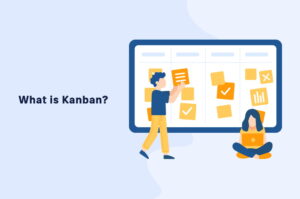
Kanban gets treated like "Scrum but with columns." That's not quite right. Kanban is a method for visualizing work, limiting work in progress, and improving flow—born in manufacturing, adapted widely in knowledge work. If your team is drowning in started-but-not-finished work, Kanban is often the first medicine I'd try—especially when ceremony-heavy flavors of Agile methodology are not matching how work actually arrives. What is Kanban? At its core, Kanban makes...
Read more