What is Product Design?
Prototype for PMs
A prototype is a representation of a product idea that lets me learn before I commit to building the real thing. It can be a sketch, a clickable flow, a role-play, a coded slice, or something else that makes a question observable. I do not judge a prototype by how polished it looks. I judge it by whether it helps me learn something important with less cost and risk than...
Read more
Usability testing for PMs
Usability testing is a structured way for me to observe people attempting tasks with a product, prototype, or service. I use it to learn where the experience becomes confusing, what people expect to happen, and whether the design supports the intended goal. I am not testing a person’s intelligence, and I am not asking a participant to approve my design. I am testing whether the design communicates enough for someone...
Read more
Design sprint for PMs
A design sprint gives me a short, structured way to investigate a product question before I commit a team to a longer build. I use the idea when the decision is important, the problem is still fuzzy, and a small group can learn more by working together than by scheduling another sequence of disconnected meetings. The sprint is not a shortcut around research or engineering. It is a way to...
Read more
Wireframing for product managers
Wireframing for product managers Wireframing is the practice of sketching a product’s structure, flow, and key interactions before investing in polished visual design or code. I use wireframes as conversation tools. They make an idea concrete enough for customers, designers, engineers, and stakeholders to react to while it is still cheap to change. A wireframe is not a miniature final design and it is not a substitute for research. Its...
Read more
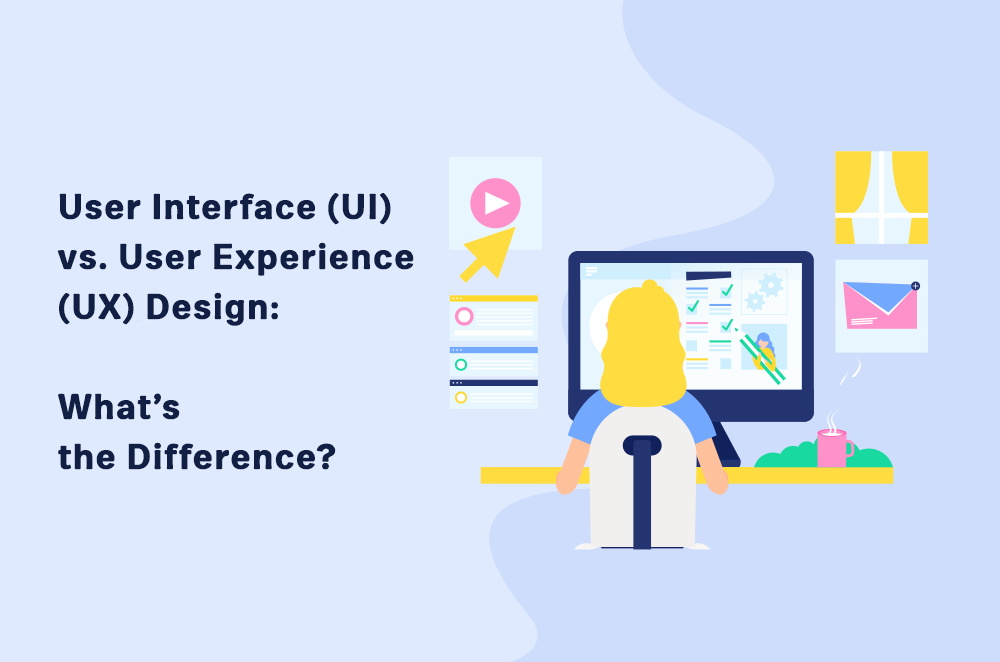
UI and UX: How I’d keep the distinction useful
Keep the distinction useful I use user interface, or UI, to describe the controls and visual surfaces people interact with: layout, typography, navigation, buttons, states, and feedback. I use user experience, or UX, more broadly for how the product helps someone accomplish a goal across the journey, including expectations, usability, content, performance, accessibility, and recovery when something goes wrong. The distinction helps me ask a better question, but I would...
Read more