
|
Clement KaoClement Kao is Co-Founder of Product Manager HQ. He was previously a Principal Product Manager at Blend, an enterprise technology company that is inventing a simpler and more transparent consumer lending experience while ensuring broader access for all types of borrowers. |
Product manager salary: How I’d build a fair comparison
Searches for “average product manager salary” usually want one confident number. I’d rather show you how to build a fair comparison—because level, location, equity, and scope move the deal more than any blog average. Here’s how I’d evaluate a product manager salary and total compensation package. Wave4 PM-salary marker Sep23 Treat the number as a starting point I would not present one average product manager salary as a universal fact....
Read moreProduct manager career path: How I’d think about the options

"What viable career paths exist for product managers?" is a meetup classic for a reason. The PM ladder isn't one ladder—and titles are inconsistent across companies. Here's how I'd think about a product manager career path. First: there isn't one canonical path PM scopes differ by company stage, industry, and whether "PM" means discovery lead, delivery owner, mini-CEO myth, or roadmap secretary. Your path should follow skills and problems you...
Read moreMaintaining feature parity across platforms: How I’d approach it

Multi-platform products (iOS, Android, web, desktop) make "just ship it everywhere" expensive. Here's how I'd think about feature parity across platforms. First principle Parity is a strategy choice—not a moral absolute. Users care about completing jobs reliably. Identical pixels on every OS is optional. Framework I'd use Define parity tiers — must-match (auth, checkout, core workflows) vs platform-native differentiators vs explicit gaps Separate platform-agnostic core — shared backend/domain logic where...
Read moreThe PM interview product design question: How I’d work it
Product design prompts ("Design X for Y") test structure more than UI taste. Here's how I'd run them. My live checklist Clarify — goals, users, constraints, success definition Users & use cases — segment; pick a primary Pain points — current alternatives Solutions — breadth first, then go deep on 1–2 Prioritize — explicit tradeoffs Metrics & risks — including what you'd validate next Communication tips I'd use Think out...
Read moreThe waterfall model: When I’d use it and when I wouldn’t

What I mean by waterfall I use “waterfall” for a sequential approach in which work moves through defined phases, with substantial planning and documentation before later phases begin. The key assumption is that decisions can be made early enough, and with enough confidence, that late change should be limited. Why teams choose it Sequential work can create clarity when requirements, interfaces, approvals, or physical constraints are well understood. It can...
Read moreCritical skills for a new product manager: What I’d learn first
If I could only coach a new PM for six months, I wouldn't start with frameworks trivia. I'd start with judgment skills that prevent expensive thrash. What I'd learn first Problem framing — write the problem before the solution Prioritization — say no; rank by impact, confidence, and effort Customer discovery — talk to users; separate anecdotes from patterns Clear writing — specs and updates people can act on Working...
Read moreDay in the life of a B2B product manager: How I’d run it

B2B PM days swing between deep work and high-context interruptions. I'd design the day so customer truth and delivery truth both get oxygen—and Slack doesn't own my calendar. A realistic split Protected maker time for specs, analysis, or synthesis One meaningful customer / prospect touch (call, visit, or win-loss) Eng pairing on the riskiest assumption in flight GTM sync only when a decision needs product input Written update so status...
Read moreWhat a product manager does: How I’d explain the role
The short answer I describe a product manager as the person who helps a team make better product decisions. That means understanding a meaningful problem, choosing what to pursue, aligning people around a direction, and learning whether the solution helped. The PM does not do every part of the work alone. Product management creates context so design, engineering, marketing, sales, and operations can make good decisions together. The work I...
Read moreHow to become a product manager without experience: My playbook

Becoming a product manager without experience is the classic chicken-and-egg problem. Companies want prior PM experience; you need a seat to get it. I've coached a lot of switchers through this. Here's the playbook I'd use if I were starting from zero tomorrow. You don't win by collecting certificates alone. You win by creating evidence of product judgment, then putting that evidence in front of people who hire. How I'd...
Read moreWhat is a product roadmap? how I’d build one

A product roadmap is a communication tool for intent—what themes you'll pursue, in roughly what order, toward which outcomes. It is not a hostage note of dates you invent to end a meeting. What I mean by roadmap It answers: where we're going, why those bets, what's in / out of focus near-term, and how we'll know it worked. Different audiences need different views of the same underlying plan. Types...
Read moreWork-life balance as a product manager: The operating habits I’d use
Balance is an operating problem I do not define product-manager work-life balance as a quiet calendar every day. Product work includes uncertainty, incidents, launches, and hard conversations. The goal is to make the intensity purposeful and sustainable rather than letting every request become an emergency. Habits I would use I keep priorities visible and ask what should move when a new request moves up. I protect focus blocks for discovery,...
Read moreThe PM interview superpower question: How I’d answer

"What's your superpower?" isn't asking for a Marvel monologue. I'd treat it as: what's your unfair advantage at work, and can you prove it? How I'd choose Something I've demonstrated repeatedly—not an aspiration Relevant to PM work (judgment, synthesis, facilitation, technical empathy, storytelling) Specific enough that it isn't "I'm a hard worker" Easy to illustrate in under 90 seconds Answer shape I'd use Name the strength in plain language Give...
Read moreBecome a Great Product Manager

I explain how I would become a great product manager by building customer judgment, communication habits, and the ability to turn insight into outcomes.
Read moreProduct review meetings: How I’d run them with executives
Exec product review meetings go wrong when they become either a vanity highlight reel or a surprise ambush. Here's how I'd run them. A review should also point to the next execution step, such as the product launch checklist for product managers, rather than end with applause. Purpose I'd protect Align on outcomes vs plan Surface risks early enough to change course Get decisions/asks while the room still has context...
Read moreInternal release notes: How I’d make them useful
Write for the people who must act For a consistent format, I use a lightweight release notes guide for product managers to make the change, timing, and known limitations easy for support and customer-facing teams to act on. Before a wider rollout, I like to dogfood the change with the people closest to the product. That makes dogfooding for product managers a practical way to catch confusing workflows and missing...
Read moreMaintaining healthy backlogs: How I’d keep one usable
A backlog should be a decision tool—not a museum of forgotten ideas. Here's how I'd keep a healthy product backlog. What "healthy" means to me Items are understandable in under a minute Priority order reflects current strategy Near-term work is refined enough to pull Old ideas get revived or deleted on purpose Stakeholders know how intake works If nobody trusts the order, you don't have a backlog—you have a junk...
Read moreProduct Manager vs Project Manager: How I draw the line
I've lost count of how many times someone has called a product manager a project manager (and vice versa). The titles rhyme; the jobs don't. Here's how I draw the line between product manager vs project manager. One-line difference Product manager — owns what to build and why, measured by product outcomes Project manager — owns how a defined initiative gets delivered on constraints (time, scope, budget, risk) Both coordinate...
Read moreHow to succeed with remote development: Practices I’d insist on

Remote development succeeds on clarity and feedback loops, not more standups. Here's what I'd insist on as a product partner. Engineering practices that pay off Small PRs with context in the description CI that developers trust Design docs for non-trivial work On-call and incident hygiene that's timezone-aware Explicit code ownership Shared Definition of Ready/Done that remote teammates can apply without a hallway check Product ↔ eng collaboration Practice Why Written...
Read moreNew product manager, now what: The first 90 days I’d run

You got the PM offer. Congrats. Day one isn't "ship a vision deck"—I'd build context and trust before I rearrange anyone's roadmap. Who I'd talk to first My manager: success metrics, landmines, decision rights Eng lead: constraints, debt, what "urgent" usually means here Design / research: what's known vs. folklore Sales / CS / support: the last ten painful customer moments A few real users or proxies—soon, not "after I...
Read moreProduct development QA best practices: What I’d insist on

QA bolted on at the end is how you ship anxiety. I'd treat quality as a product requirement from discovery through release—not a gate that appears the night before launch. Practices I'd insist on Clear acceptance criteria before build, not after QA finds gaps Risk-based test focus: money, trust, and high-traffic paths first Automation where it pays; exploratory testing where judgment matters Severity language shared by PM, eng, and QA—so...
Read moreProduct manager cover letter examples: How I’d write one that works

Most PM cover letters read like a resume in paragraph form. Here's how I'd write one that actually helps—and a structure you can adapt. What a cover letter is for Prove you understand this company's product problem Connect 2–3 proof points to that problem Show judgment and writing quality (a core PM skill) Make it easy to say yes to an interview If it could be pasted to 50 roles...
Read morePM interview pre-research: How I’d prep before the loop
Walking into a PM interview cold is how you get generic answers. Here's the pre-research I'd actually do. What I'd study Product: core jobs-to-be-done, who pays, what "aha" looks like Business model: how they make money; what might be under pressure Recent changes: launches, pricing, org news—public info only Role clues: JD language about discovery vs delivery vs growth Interviewers: LinkedIn for context, not stalker energy Artifacts I'd build (private...
Read moreDriving sales calls as a product manager: Why I’d do it
When a deal is won or lost, I capture the pattern rather than treating the result as a verdict. A structured win-loss analysis helps me separate product gaps, positioning, and sales execution. PMs sometimes avoid sales calls like they're "not our job." I think that's a missed discovery channel. Here's how I'd approach driving sales calls as a product manager. Why I'd get on the call You hear objections in...
Read moreDo you need an MBA as a product manager? how I’d decide

"Do I need an MBA to become a PM?" My honest answer: it depends—like most product decisions. Here's the framework I'd use on myself. When an MBA can help You're switching from a path that hiring managers don't map to PM You need structured business fluency (finance, strategy, markets) fast Network access matters for your target companies/geography You can afford the opportunity cost without panic When I'd skip or delay...
Read moreDe-risking your journey to product management: How I’d do it
Hiring managers hire PMs carefully because bad product direction multiplies. If you're switching in, your job is to reduce their risk—skills risk and people risk. What they're afraid of Risk What it looks like How I'd counter it Skills risk Resume doesn't show PM-shaped work Case studies, metrics, artifacts People risk Unclear collaboration / ego References, cross-functional stories Evidence I'd build (even without the title) Own a product-shaped problem at...
Read morePartnering on sales calls as a PM: How I’d show up

Sales calls are discovery with revenue pressure. I'd join selectively—and never turn into a free custom-build desk. When I'd join Strategic deals where product risk or roadmap truth matters New segment tests where messaging is still mushy Escalations where a customer heard a promise nobody owned How I'd behave on the call Let sales run the room; I'm a specialist, not the closer Ask clarifying questions about the job-to-be-done Be...
Read moreWhen to join your sales team: How I’d learn without taking over

Start with the learning goal I would join a sales call when I can explain what I am trying to learn and why the conversation is a good place to learn it. That might be how buyers describe a problem, where a workflow breaks, what objections repeat, or which promises create downstream product pressure. I would ask the seller for context first. I want to understand the account, the stage...
Read moreContext switching: How I’d protect product work
Why context switching hurts Product teams will always change context: an escalation arrives, a dependency slips, or an incident interrupts planned work. The problem is treating every request as equally urgent. Switching forces me to reload the problem, rebuild decision context, and recover the thread I left. How I would manage it I make active bets, blocked work, interrupts, and owners visible. I distinguish incidents, time-sensitive customer issues, useful new...
Read moreShadowing your sales team as a PM: How I’d do it

Shadowing is the lightest way I'd join sales: prepare together, stay quiet on the call, debrief hard after. How I'd run it Ask permission and explain the product goal (gaps, language, objections) Prep: prospect context, competitors, agenda, success for this call On the call: notes only—goals, discovery quality, competitor mentions, friction Debrief: what surprised you, what messaging failed, what to change in product/docs Notes I'd capture Question Why What are...
Read moreProduct leadership best practices: What I’d actually run

Product leadership, to me, is making better product decisions more often—and multiplying that through other PMs. Practices I'd keep Write down the strategy in one page people can argue with Separate opinions from evidence in reviews Coach in public artifacts (roadmaps, specs), not only 1:1 vibes Kill work early when the bet is wrong Protect focus time for discovery, not only delivery theater Cadence that helps Ritual Purpose Weekly priorities...
Read moreEmpathizing with engineers: How I’d actually do it as a PM

People ask: "how technical do I need to be as a PM?" My honest answer: less than you think—if you can empathize with engineers. Empathy here isn't vibes. It's how you unlock better builds, faster unblocks, and decisions eng can make without you in every thread. Why engineering empathy multiplies value When I deeply understand how my eng partners work, I can: Sequence high-value work in a way that's buildable...
Read moreWhat does an associate product manager do? my take
If you're trying to break into product, associate product manager (APM) is one of the cleanest on-ramps—when the program is real. Done well, it's structured reps with mentorship. Done poorly, it's "junior PM with no support and a fancy title." Here's how I describe the role. What an associate product manager does APMs typically own a smaller surface—or a well-scoped slice of a larger product—under guidance from a PM/senior PM....
Read moreThe PM interview weakness question: How I’d answer it
The weakness question filters for self-awareness. I'd answer with something real, non-fatal, and actively managed. What I'd pick A genuine development area that shows up at work Not "I care too much" / "I work too hard" Not a core requirement of the role (e.g., "I'm bad at prioritization" for a PM job) Something I can discuss without leaking confidential drama Structure I'd use Name the weakness clearly Give a...
Read moreHow to prevent context switching: What I’d change on a product team

Context switching feels productive because you're responsive. It's usually how roadmaps die quietly. Here's what I'd change to prevent context switching on a product team. What I mean by context switching Jumping across goals, stakeholders, and problem spaces so often that nothing ships with quality—and nobody remembers why work started. PMs are especially exposed: Slack, sales fires, exec drive-bys, and "quick questions" that aren't. Fixes that actually help 1) Make...
Read moreShipping B2B products: How I’d approach it as a PM
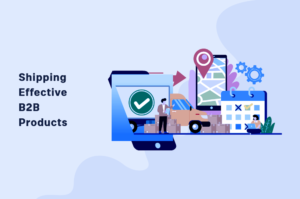
B2B shipping isn't just "B2C with invoices." Buying committees, implementation, and retention economics change the game. Here's how I'd approach it. What I'd design for Multiple personas: user, champion, economic buyer, IT/security Longer cycles—discovery must include sales and CS reality Configuration and integration debt as first-class product work Packaging/pricing as product decisions, not afterthoughts Launch = enablement, not only a blog post A shipping loop I'd trust Problem proof —...
Read moreTesting best practices: What I’d build into product delivery
Start with risk and behavior I approach testing by asking what could harm customers, the business, or the team's ability to learn. I turn important behaviors into examples that product, design, engineering, and quality can understand together. This is more useful than treating a test count as proof of quality. I would prioritize by impact, likelihood, change risk, and the cost of discovering a problem late. Use several kinds of...
Read moreEffective meetings for product managers: What I’d keep (and cancel)
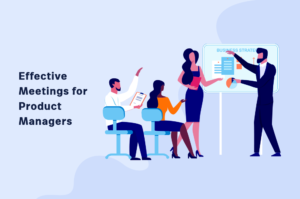
PMs drown in meetings when every conversation needs "alignment." I'd default to async clarity and protect a few high-leverage rituals that actually change decisions. Meetings I'd keep Decision reviews with a written option set beforehand Customer / user time on a fixed cadence Working sessions that produce an artifact in the room 1:1s that unblock people, not status theater Meetings I'd challenge Status standups that could be a doc "Syncs"...
Read moreDay in the life of a platform product manager: How I’d spend it

Platform PM days look quieter on a calendar and louder in dependencies. I'd spend mine reducing multiplicative pain for product teams—not collecting feature petitions. A day I'd recognize Morning: triage platform incidents / SLO noise with eng Midday: intake review—what becomes a shared capability vs. a local hack Afternoon: roadmap talks with consuming PMs; negotiate interfaces, not vibes End of day: write down decisions so tomorrow's you isn't rediscovering folklore...
Read moreProduct managers are also products: How I’d keep learning
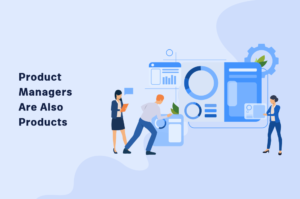
I use the metaphor carefully Thinking of product managers as products can be a useful reminder that I have users, needs, constraints, and feedback. It becomes unhelpful when it turns people into optimization projects or suggests that a career can be managed like a simple funnel. My version of the metaphor is about deliberate learning. I ask which partners depend on my work, what makes that work useful, and where...
Read moreRetrospectives: How I’d run them so they actually change work

A retrospective is a scheduled honesty session: what happened, what we learned, what we'll change. Without the third part, it's group therapy with sticky notes. Definition (how I use it) Inspect the last slice of work (sprint, launch, incident month) as a system—people, process, product—and pick a few improvements you can actually try next. The point isn't catharsis. It's a cheaper learning loop than waiting for the next blowup. How...
Read moreAdvanced tactics for value propositions: What I’d use

Once you can write a basic value prop, the hard part is using it under time pressure and politics. Here are advanced tactics I'd actually use. Trade off against time A perfect value prop that ships next year loses to a sharp one that guides this quarter. I'd timebox: Enough clarity to prioritize Explicit assumptions to revisit A date to re-validate with customers Let the value prop kill features If...
Read moreSelecting new technologies as a PM: How I’d decide

PMs don't "pick stacks" alone—but we do own the product consequences of tech bets. Here's how I'd approach selecting new technology without shiny-object bias. Questions I'd force first What user or operator problem gets cheaper/faster/safer? What happens if we wait six months? What's the integration and migration cost honestly? Who on eng has depth to own failure modes? What's the exit plan if the bet sours? Decision grid I'd use...
Read moreObjection handling for product managers: How I’d do it
Objection handling isn't a sales-only sport. PMs hear disapproval every week—from users, execs, and teammates. Here's how I'd handle it without becoming a people-pleaser. Why objections are useful An engaged user who objects is often telling you where trust, value, or clarity breaks. Ignoring that is arrogant. Accepting every request is malpractice. My working loop Listen fully — restate the objection until they say "yes, that's it" Separate emotion from...
Read moreEffective user interviews: The playbook I’d follow

Most PMs aren't formally trained to interview users. Then we wonder why research feels anecdotal. Here's the playbook I'd follow for effective user interviews. Before: plan, source, screen, schedule 1. Plan Write the decision this interview will inform. "Explore onboarding drop-off before we rebuild step 2" beats "chat with users." Draft a guide: warm-up → context → deep dive → wrap. Keep it short enough to breathe. 2. Source Existing...
Read moreConfiguration vs customization: How I’d choose for a product team
Teams blur configuration vs customization until an upgrade weekend becomes a hostage situation. Here's how I separate them—and how I'd choose. Plain definitions Configuration — using built-in settings, rules, and options the product already supports (no special codebase fork) Customization — changing behavior with bespoke code, one-off integrations, or forks that the vendor/product doesn't treat as first-class Configuration is steering. Customization is rebuilding the steering wheel. Why the distinction matters...
Read moreSwitching costs: How I’d use the concept responsibly

What I mean by switching cost I use switching cost for the time, money, effort, risk, and emotional work involved in moving from one product or process to another. It can include data migration, retraining, integration changes, lost history, workflow disruption, or uncertainty about the new option. The concept helps me understand why a product may be valuable without assuming that a customer is permanently locked in. Costs can be...
Read moreValidating and executing on value propositions: How I’d do it

A value proposition isn't a tagline brainstorm. It's a promise you can keep in the product. Here's how I'd validate and execute on value propositions with a product team. What I mean by value proposition A clear statement of: Who it's for What job it helps them get done Why you vs alternatives Proof that it's true If any of those are mush, marketing will invent poetry and sales will...
Read moreProduct strategies for switching costs: How I’d use them

Switching costs are real strategy—not a dirty trick by default. I'd use them to reward continued value, not to trap unhappy customers. Levers I'd consider Data gravity: history, workflows, integrations that get better over time Network effects: value rises with participants Learning curves: mastery the user doesn't want to re-earn elsewhere Contracts/procurement: honest enterprise reality—not dark patterns Ecosystem: apps, partners, templates Ethical line I won't cross Healthy Sketchy Export exists;...
Read moreTest cases: How I’d make them useful for product decisions

Write cases around expected behavior I use a test case to make an expectation concrete: the context, action, and observable result. I start with the customer or system behavior that matters, not with a field list. A useful case gives the team a shared example and makes a risk easier to discuss. I would include the normal path, meaningful boundaries, permissions, failures, and recovery when they matter to the product....
Read moreProfessional development as a product manager: How I’d invest
PM professional development fails when it's a pile of bookmarks. I'd treat it like a product: goal, bets, review cadence. Areas I'd develop on purpose Discovery & product sense — interviews, prototypes, kill criteria Execution — roadmaps, delivery hygiene, stakeholder management Analytics fluency — enough to challenge numbers Leadership — writing, conflict, coaching without authority Domain depth — the market you serve A simple quarterly plan Input Example One craft...
Read moreData-driven vs data-informed: How I actually make product calls

I used to hear "we're a data-driven company" as a flex. Then I watched teams freeze because the dashboard didn't have a perfect answer—or chase a local metric maximum that hurt the product. These days I prefer data-informed. Here's the distinction the way I use it. Data-driven (as commonly practiced) Data-driven often means: the metric decides. If the A/B test wins, ship. If the funnel says X, do X. Qualitative...
Read moreWhy process matters for B2B products: My practical take
In B2B, "move fast and break things" often breaks trust, contracts, and renewals. I'd treat process as risk control for long cycles—not bureaucracy for its own sake. Where process earns its keep Intake: so every loud deal doesn't become a custom fork Discovery notes shared with sales/CS before promises harden Release readiness when customers can't tolerate surprise downtime Feedback loops from implementation and support into the backlog Change communication when...
Read moreImplementing new technologies: How I’d do it on a product team

"Let's adopt the new thing" is not a plan. Here's how I'd approach implementing new technologies on a product team without shiny-object syndrome. My evaluation bar Problem first — what user/business constraint are we removing? Baseline — what happens if we improve the current stack instead? Reversibility — how painful is undo if we're wrong? Operational cost — staffing, observability, security, vendor lock-in Learning plan — what must be true...
Read moreHow to sunset a feature: The approach I’d take

Sunsetting a feature feels political because it is. Low usage isn't always "delete it." High-paying customers on a dusty workflow aren't always a veto forever either. Here's the approach I'd take—shaped by conversations I've seen in PM communities when someone asks: what's the usage threshold, and what if VIPs still rely on it? Don't use a single metric I'd look at a set: Adoption / active usage (absolute and trend)...
Read moreStakeholder empathy: How I’d make better product decisions

Understand the person behind the request I practice stakeholder empathy by asking what a person is responsible for, what constraint they face, what evidence they have, and which decision they need to make. Empathy does not mean accepting every request. It means understanding the context well enough to respond with respect and useful reasoning. A sales leader may be protecting a customer relationship. An engineer may be protecting reliability. A...
Read moreSprint best practices: What I’d keep (and drop)

Sprints work when they create focus and feedback. They fail when they become calendar religion. Practices I'd keep One clear sprint goal (not a laundry list) Stories thin enough to finish Mid-sprint adjustment when reality changes—transparently Review that shows working product to real stakeholders Retro with one system change you'll actually try What I'd drop Habit Why I'd cut it Velocity worship Invites gaming Meetings with no decision Tax Carrying...
Read moreThe PM interview failure question: How I’d answer it
"Tell me about a time you failed" isn't a trap if you treat it as a judgment test. Hiring managers want antifragile PMs—people who get sharper after misses. Why they ask Skills risk: do you diagnose reality or blame others? People risk: can you own impact without collapsing into defensiveness? Learning risk: did anything in your practice change afterward? How I'd structure the answer Context — stakes in one or...
Read moreBounce rate for PMs: How I’d use the metric
Bounce rate is a blunt instrument that still helps. I'd use it as a symptom, not a KPI to worship—or a reason to panic-ship a redesign. How I'd define it in practice A bounce is a visit that doesn't continue—often one pageview / no meaningful engagement. Exact definitions vary by analytics tool; I'd document ours and stick to it so week-over-week comparisons mean something. When bounce matters Landing or activation...
Read moreTask management for product managers: What I’d actually use

Separate capture from commitment I need a trusted place to capture requests, follow-ups, ideas, and decisions, but I do not treat every captured item as a promise. I review the list, clarify the intended outcome, and decide whether an item is active, scheduled, waiting, delegated, or not worth doing. That distinction matters in product work because new information arrives constantly. A full inbox can be a useful record and still...
Read moreCohort analysis for PMs: How I’d read retention the useful way

If you only look at blended retention, you can feel great while new cohorts quietly die. Cohort analysis is how I separate "users from March behave like this" from "the product overall looks fine." Cohort, simply A cohort is a group sharing a starting characteristic—signup week, acquisition campaign, plan type, first feature used. A cohort analysis watches behavior over time for each group, so you can compare apples to apples....
Read moreHow to write a product manager resume: My practical playbook
Most PM resumes I see read like project diaries. Dates, tools, meetings attended. Hiring managers skim for problems owned, decisions made, and outcomes moved—not a list of ceremonies you sat through. Here's the playbook I'd use if I were rewriting mine from scratch. Treat the resume like a product Same loop as shipping software: Self-reflection — what's your "product"? Transferable strengths, proof of impact, gaps you'll cover in the narrative...
Read moreB2B cohort analysis: How I’d approach it as a PM

B2B cohort analysis is harder than B2C because accounts aren't users, seats expand, and value shows up slowly. Here's how I'd approach it. Why B2C defaults break Small N (dozens of logos, not millions of consumers) Multi-threaded buying committees Expansion revenue matters as much as logo retention Implementation lag muddies "signup week" cohorts How I'd define cohorts Cohort idea When it helps By contract start / go-live month Onboarding effectiveness...
Read moreWhat is growth product management? my practical take
People ask me: "is growth product management right for me?" Fair question. Growth PM looks shiny until you realize your backlog is mostly experiments, funnels, and "why did activation drop 4% last week?" Here's my practical take on growth product management. What growth PM is Growth product management focuses on reducing barriers between users and value—so more people find, start, stick with, and expand in the product. You're optimizing the...
Read moreSpending a day with customer support: What I’d learn

I would observe before proposing fixes Customer support sees product friction in a different form than dashboards and roadmap requests. If I spend a day with the team, my first job is to listen: how customers describe the problem, what support can resolve, where the process breaks down, and which workarounds are becoming normal. I would agree on the format and boundaries beforehand. I would use approved tools, protect personal...
Read morePM interview: How I’d create a product roadmap on the spot
"Build a roadmap" in an interview isn't about pretty Gantt charts. I'd show strategy → bets → sequencing → measurable outcomes. Steps I'd take live Clarify the goal and horizon (growth? retention? new segment? 6 vs 18 months?) Name constraints (team size, platform, compliance, dependencies) List problem themes, not a feature dump Prioritize with an explicit rubric (impact, confidence, effort, risk) Sequence — what unlocks what; what can wait Define...
Read moreThe critical path method: How I’d use it for product delivery

Define the outcome and the work I use the critical path method to understand which dependent activities control the earliest plausible finish for a piece of work. I start with an outcome, then list the deliverables, dependencies, constraints, and acceptance conditions that make the outcome real. The method is most useful when the sequence matters. A regulatory date, coordinated launch, migration, or infrastructure change may contain relationships that are easy...
Read moreProduct distribution models: How I’d explain them to a PM team

Your distribution model quietly rewrites your product job. Here's how I'd explain common product distribution models to a PM team—and what changes in the work. Models you'll see Direct product sales — you own acquisition → purchase → retention Referral / affiliate — partners amplify reach; incentives shape behavior Product placement / marketplace presence — discoverability inside someone else's surface Auction / bidding — price discovery and competitive dynamics become...
Read moreProduct manager interview: How I’d analyze a metric change
When an interviewer says "X metric dropped 20%—what do you do?", they're grading your process, not a lucky root cause. Here's how I'd run it. Say the framework out loud first Interviewers relax when they see structure. I'd narrate: Clarify metric definition and time window Validate data quality / instrumentation Segment to localize the change Generate ranked hypotheses Propose the next evidence and actions Diagnosis order I'd trust Step Questions...
Read moreBlended metrics for PMs: How I’d use them

A blended metric combines multiple signals into one number. I'd use them for executive altitude—then always keep the ingredients visible so nobody steers by a smoothie they can't debug. When I'd blend You need one north-star-ish score across uneven inputs Stakeholders can't parse five dashboards in a review You want balance (e.g., growth and quality) Rules I'd enforce Rule Why Publish weights Otherwise it's politics Watch components Blends hide regressions...
Read moreHow to find a product manager job: The playbook I’d use

Cold-applying into the void is the worst PM job search strategy I know. The market rewards warm context: people who can vouch for how you think, and applications that prove you understood the product before you hit submit. Here's the playbook I'd run. The key principle Treat the search like discovery. Your "customer" is a hiring manager with a painful gap on the team. Your job is to show you're...
Read moreValue propositions for product managers: How I’d write them
If we can't say why a customer should choose us, we'll ship busywork. Here's how I'd write value propositions as a PM. Why products miss value We build for ourselves, not a defined customer job We confuse features with outcomes We ignore alternatives (including "do nothing") We never validate willingness to switch A value prop worksheet I'd use Who — specific segment, not "everyone" Job / pain — what they're...
Read moreBest product management tools: How I’d choose a stack

Tool lists age fast. Capabilities converge. So I won’t pretend a frozen “top N” ranking stays true. Here’s how I’d build a PM stack and which categories actually matter. Wave5 PM-tools marker Sep23 Categories I’d cover Category Job to be done What good looks like Collaboration / specs Async decisions that don’t die in chat Docs + comments with owners and dates Roadmap / discovery Intent, opportunities, prioritization Themes and...
Read moreProduct manager interview questions I’d actually prep

If you're prepping PM interviews by memorizing 80 clever answers, you're studying the wrong thing. Interviewers are trying to learn three things about you: Who you are under pressure (judgment, character, communication) Whether you've done product-ish work (or can transfer it) Whether you'll create value on their problems Below is the question set I'd practice—with how I'd think, not a script to recite. 1) Product management questions What qualities make...
Read moreProduct manager vs product marketing manager: How I’d explain the partnership

Start with the customer journey I explain the difference by looking at where each role spends its strongest attention. A product manager helps decide what problem to solve, for whom, and how the product should create value. A product marketing manager helps the market understand that value, reaches the right audiences, and turns customer and market insight into positioning and go-to-market choices. The roles overlap because both need customer understanding...
Read moreIN PROGRESS – Product Manager Interviews vs. Management Consulting Interviews
I compare product manager and management consulting interviews, covering case structure, product judgment, communication, and how I would prepare for each.
Read moreRevisiting past decisions: How I’d use triggers instead of second-guessing
Keep decisions reversible when possible I expect product decisions to change as knowledge changes. That does not mean I reopen every choice whenever someone feels uncertain. I first classify the decision: is it easy to reverse, expensive to reverse, or already creating commitments for customers and teams? For meaningful decisions, I would record the context, options considered, assumptions, owner, and evidence that would justify a review. A short decision record...
Read moreProduct synergies: How I’d create value across a product portfolio
Define the value before combining products I would use the phrase product synergy only when the combination creates a meaningful customer or business benefit that the products could not create as effectively on their own. Shared branding or a larger bundle is not enough. I would start with the customer problem, the job to be done, and the evidence that a connected experience matters. I would ask whether customers experience...
Read moreWhat is Agile methodology? How I’d explain it to a product team

Agile isn’t a ceremony pack you buy. It’s a way of reducing the cost of being wrong—by shipping learning in smaller loops and adapting when reality talks back. When someone asks me “what is Agile methodology?” I start there, not with a role bingo card. In 2026, plenty of teams still call themselves Agile while optimizing for theater: perfect burndowns, overloaded sprints, and roadmaps that pretend uncertainty doesn’t exist. Here’s...
Read moreWhat is Product Ops? my plain-English take

Product Ops (Product Operations) exists because modern product orgs drown in tools, intake, metrics, and cross-team coordination. Done well, Product Ops makes PMs faster and more consistent without becoming another approval layer. What Product Ops is A function that builds the operating system around product management: processes, tooling, research ops, analytics enablement, and feedback plumbing—so product teams spend more time on discovery and decisions, less on reinventing rituals. Responsibilities I'd...
Read moreJQL tips for product managers: The queries I’d actually use
Most PMs can click Jira filters. Fewer can answer hard questions in 30 seconds with JQL. Here's how I'd use Jira Query Language as a product manager—without turning into a full-time reporting analyst. What JQL is (quick) JQL is Jira's query language—think SQL-ish filters for issues. Advanced search beats brittle saved filters when questions change weekly. Queries I'd keep in a personal cheat sheet Need Example pattern My open work...
Read moreCounter metrics: The guardrails I’d put next to a north star
North star metrics create focus. Humans also love making the glowing number go up—even when it quietly breaks something else. That's why I care about counter metrics: measurements that catch over-optimization before it becomes a postmortem. What a counter metric is A counter metric is what you watch to ensure gains on the north star didn't come at the expense of customers or the business. If the NSM is "messages...
Read morePM resumes vs LinkedIn profiles: How I’d use each
I'd treat the resume and LinkedIn as different jobs: one is a scannable application artifact; the other is a living professional narrative. How I'd split them Artifact Job Resume Pass ATS + recruiter skim for this role LinkedIn Discovery, referrals, longer proof, voice Practical rules I follow Resume: tighter bullets, role-targeted keywords, PDF/DOCX as requested LinkedIn: richer context, featured work, recommendations that aren't generic Don't paste the resume verbatim onto...
Read moreCoordination costs: How I’d reduce the tax of growing product teams

Notice the cost of more connections I think coordination cost is the time and attention a product organization spends aligning people, resolving dependencies, transferring context, and making decisions. As a team or portfolio grows, adding people can increase capability while also increasing the number of relationships that need care. I would look for symptoms: recurring alignment meetings, duplicated discovery, decisions waiting for too many approvals, work blocked by unclear interfaces,...
Read moreEffective altruism: How I would use the framework as a product manager
Start with the decision, not the label I understand effective altruism as an attempt to use limited resources where they can do the most good, while making the assumptions and uncertainty visible. I would not treat the label as a guarantee that a cause, organization, or intervention is correct. I would use it as an invitation to compare options carefully and remain open to disagreement. Product managers can recognize the...
Read moreCoffee chats for product managers: How I’d run them

Coffee chats are still one of the highest-ROI habits in product careers—if you treat them like discovery interviews, not veiled "please hire me" ambushes. What a coffee chat is A short, low-stakes conversation (often 20–30 minutes, virtual is fine) to learn how someone works, how their team thinks about product, or how they navigated a path you care about. It's networking with a hypothesis. Why they matter for PMs Product...
Read moreWhat I wish I’d known as a new product manager

If you're new to product, here's the advice I wish someone had stamped on my laptop lid. Structured problem solving is the job Charm and hustle help. They don't replace breaking problems into: goal, constraints, options, decision, learn. When you're stuck, write the problem statement before you open Jira. You're a decision maker—not an order-taker Stakeholders will try to use you as a project manager with a fancier title. Your...
Read moreHow I’d optimize a product manager LinkedIn profile
LinkedIn is often the first product page recruiters see about you. I'd treat it like a landing page: clear promise, proof, easy next step. Make a strong first impression Photo: clear, friendly, uncluttered—doesn't need studio drama Banner: optional but useful (product domain, portfolio URL, simple visual) Headline: target role + domain + one proof hook Example pattern: Product Manager | B2B SaaS onboarding & retention | ex-… Skip "Open to...
Read moreInterviewing with engineering managers: How I’d show up as a PM

When you interview with engineering managers as a PM candidate, they're rarely trying to turn you into a algorithms olympiad. They're testing whether you'll be a good partner. Here's how I'd show up. What EMs are usually evaluating Do you respect constraints and technical tradeoffs? Can you prioritize without thrash? Will you partner on quality, debt, and operability—or only on feature output? Are you crisp in writing and decision-making? Will...
Read moreWhat is a product manager? here’s how I explain the role
I've explained the product manager role hundreds of times—to switchers, eng managers, and people who still think PM means project manager. Here's the version I actually use. A product manager connects customer needs, business goals, and what the team can build—and owns the messy white space between those three. You're not the CEO of the product in the meme sense. You're the person who makes sure the right problems get...
Read moreNorth star metrics: How I’d pick one for a product team
PMs drown in qualitative noise—complaints, anecdotes, praise, Slack threads. Metrics help. Too many metrics recreate the chaos. The teams I've seen stay sane usually pick one north star metric (NSM) and a counter metric. Here's how I'd choose. What a north star metric is A north star metric is the most critical, measurable, actionable outcome that represents product success—the signal you'd use to navigate when everything else is fog. Good...
Read moreHow to write LinkedIn recommendations as a PM: My template
When I write a recommendation, I'm lending credibility. I'd rather write fewer honest ones than many inflated ones. Structure I'd use Relationship — how we worked together and for how long Context — the problem space / team constraints One or two concrete behaviors — decisions, communication, craft Outcome — what changed (qualitative OK if no public metrics) Forward-looking line — where they'd thrive What I'd avoid Superlatives with no...
Read moreHow to manage uncertainty as a PM: My working approach

Uncertainty isn't a bug in product management—it is the job. New product, new role, ambiguous strategy, fuzzy metrics: the risk I fear most isn't being wrong. It's indecision dressed up as prudence. Here's how I manage uncertainty without freezing. Two jobs, not one Reduce uncertainty to an actionable level Decide when to revisit as new signal arrives If you only do #1 forever, you never ship. If you skip #2,...
Read moreHow to ask for LinkedIn recommendations as a PM: What I’d do
LinkedIn recommendations aren't magic—but a few specific ones beat twenty vague compliments. Here's how I'd ask. Who I'd ask People who saw me own outcomes (EM, designer, PM peer, skip-level, founder) Cross-functional partners who can speak to influence Not only friends who will write fluff Quality > quantity. Three sharp notes beat a wall of "great teammate." How I'd make it easy Ask privately first (message > cold Recommend button)...
Read moreOKRs for product teams: How I actually use them

OKRs fail when they become a spreadsheet of tasks with percentages. Used well, they're a focus and alignment device: what matters this period, and how we'll know. Objectives and Key Results (my definitions) Objective: qualitative, inspiring-enough direction ("Make onboarding obviously valuable for new admins") Key Results: measurable evidence you moved ("raise Day-7 activation from X to Y," "cut median time-to-first-value from A to B") If your KR is "ship project...
Read moreEffective one-on-one meetings: How I’d run them as a PM

Bad 1:1s are status meetings in disguise. Good ones change how people work together. Here's how I'd run effective one-on-one meetings as a PM (with reports, peers, or skip-levels). What a 1:1 is for Trust and context that Slack can't carry Career growth, feedback, and blockers Relationship repair before it becomes politics Sensing what's not in the dashboard If the only agenda is ticket updates, cancel and fix your team...
Read moreHow I became a product manager: The lessons I’d carry forward

Start with problems, not the title When I think about becoming a product manager, I focus less on the moment a title changed and more on the habits that made the work possible. I learned by getting close to customer problems, making trade-offs visible, and working with people who owned different parts of the outcome. The transition is not a single credential or a perfect sequence. It is a series...
Read moreNet promoter score: How I’d use NPS as a PM (and when I wouldn’t)

NPS is famous, overused, and still useful—if you treat it like a signal, not a religion. Here's how I'd use Net Promoter Score as a PM. What NPS is Ask: How likely is it that you would recommend this product to a friend or colleague? (0–10) Promoters — 9–10 Passives — 7–8 Detractors — 0–6 NPS = % promoters − % detractors (passives count in the denominator of percentages but...
Read moreCrisis management for product managers: How I’d run the playbook
If you stay in product long enough, something breaks loudly: outage, bad launch, PR mess, security scare, data incident. Crisis management is a PM skill—not just a comms team problem. The playbook I use breaks into four stages: identify → mitigate → diagnose → prevent. Mindset first. The golden mindset Don't lead with blame. Blame makes the person who can fix it go defensive. It feels righteous and slows recovery....
Read moreProduct mentorship: How I’d get it and how I’d give it

Product mentorship changed how I make decisions. Not because mentors handed me answers—because they improved my questions. Here's how I'd get mentorship and how I'd give it. Getting mentorship (without being awkward) Be specific — "help me think about stakeholder conflict on platform roadmaps" beats "can you mentor me?" Show your work — bring a one-pager: context, options, what you've tried Ask for a small first meeting — 20 minutes,...
Read more